
Project Description
/ AFGHANISTAN
Access to maternel care, infant health and nutrition
Access to maternel care, infant health and nutrition
Start date: 2025, ongoing project
©Photo:SSRU!
CONTEXT
Since the Taliban seized power in August 2021, Afghanistan has been facing an unprecedented humanitarian crisis. In 2025, more than 23.7 million people, over half the population, need emergency aid to survive (OCHA, 2025). Women and girls are the first victims of this collapse: denied education, work and freedom of movement, they live under institutionalised violence.
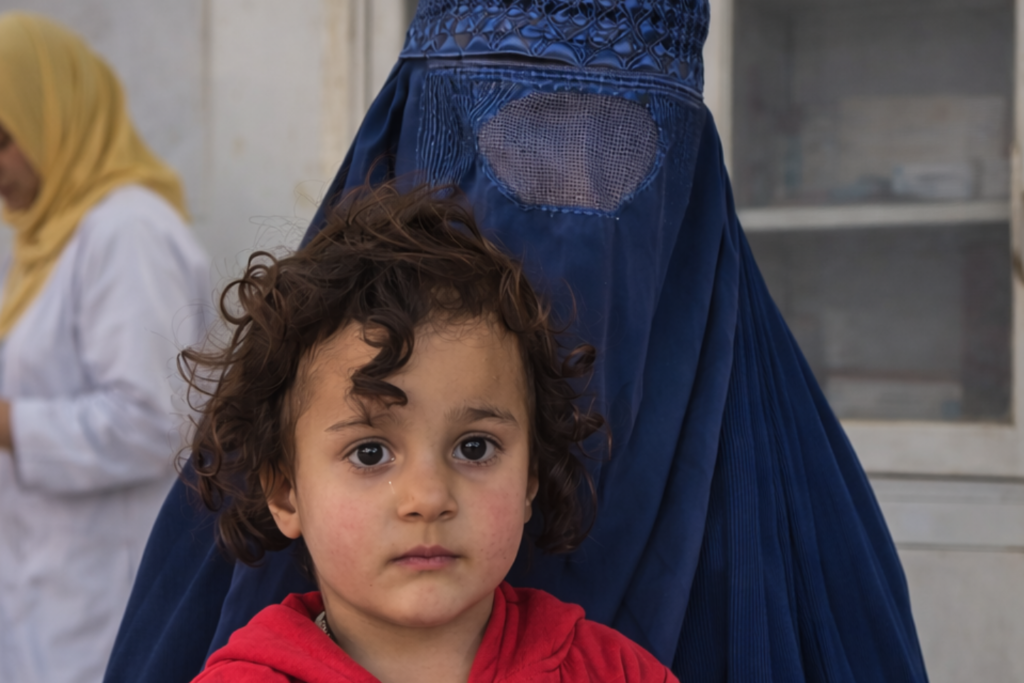
Access to healthcare is critical. In 2025, basic health services reach fewer than 10% of women, and since December 2024 Afghan women are no longer allowed to practise medicine, even though the regime forbids them from being treated by men. In Ghor province, a remote and mountainous region in western Afghanistan where the project takes place, health facilities are scarce, under-equipped and almost inaccessible to pregnant women. Maternal and infant mortality there is among the highest in the world.
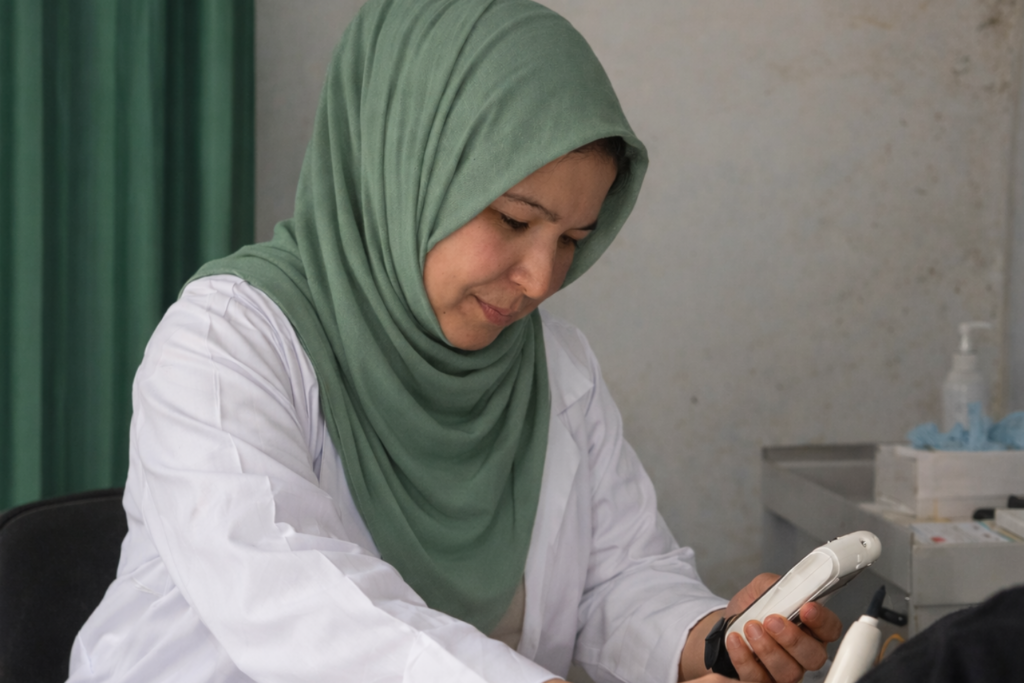
→ 180 midwives and female health workers trained
→ 28,716 women reached with better maternal health services
THE PROJECT : AMINA
Led by Stand Speak Rise Up! in partnership with the local NGO Baran, the AMINA project promotes the health, dignity and autonomy of women and girls in Ghor province. By rebuilding a delivery room, training local midwives and running mobile vaccination and screening campaigns, it delivers a comprehensive medical, social and community-based response to the most urgent needs.
- Rebuild and equip a safe, dignified delivery room able to accommodate up to 4 women at once;
- Train and mentor local midwives and female health workers, supported by a medical trainer from Kabul;
- Mobilise communities and religious leaders around women’s health and rights;
- Deploy mobile vaccination and malnutrition-screening activities in isolated villages.
Expected results: 215,638 women made aware of maternal health practices and women’s rights, and 112,462 children screened and treated for malnutrition.
Afghanistan: Stand Speak Rise Up!’s advocacy led by Chékéba Hachemi in the media

Public Sénat
At eleven years old, she fled Afghanistan alone to escape the war. As a refugee in France, she has dedicated her life to the empowerment of Afghan women. The first Afghan diplomat, serving at the European Union from 2002 to 2005, she founded “Afghanistan Libre” and the NGO “Stand Speak Rise Up,” which supports survivors of sexual violence in conflict zones. As Afghan women’s freedoms have been shrinking since the Taliban’s return to power in 2021, how does she find the strength to keep fighting? Is the worsening situation for Afghan women inevitable? How can we break the silence and the West’s inaction in the face of this tragedy? This week, Rebecca Fitoussi welcomes Chékéba Hachemi on “Un monde, un regard,” an inspiring series of in-depth interviews in a world lacking direction and role models.
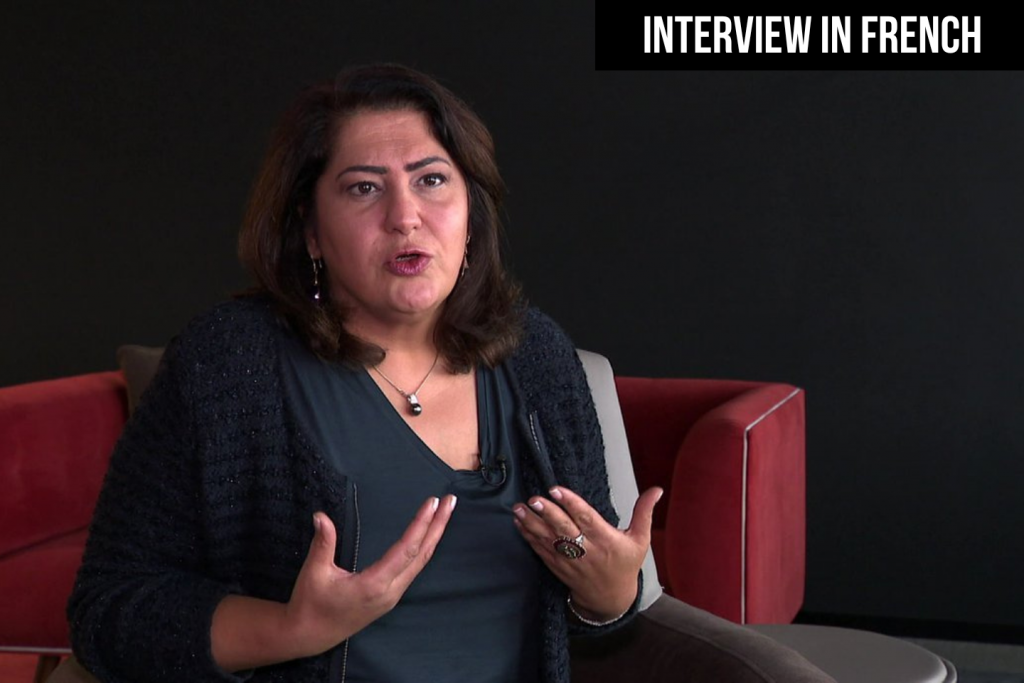
Through the association Stand Speak Rise Up!, an advisor to the Grand Duchess of Luxembourg fights for the little freedom Afghan women still have.
Éric Cheysson, a surgeon and president of La Chaîne de l’Espoir, describes the situation as “social femicide.” Chékéba Hachemi, co-founder of the Luxembourg-based association Stand Speak Rise Up!, refers to it as “a form of genocide and a defiance of the West.”
The law enacted on August 22 by the Taliban government to “promote virtue and prevent vice” now governs many aspects of Afghan life under Islamic law, the Sharia. This 87-page, 35-article text is particularly oppressive for women, with its most absurd point being that they no longer have the right to raise their voices.
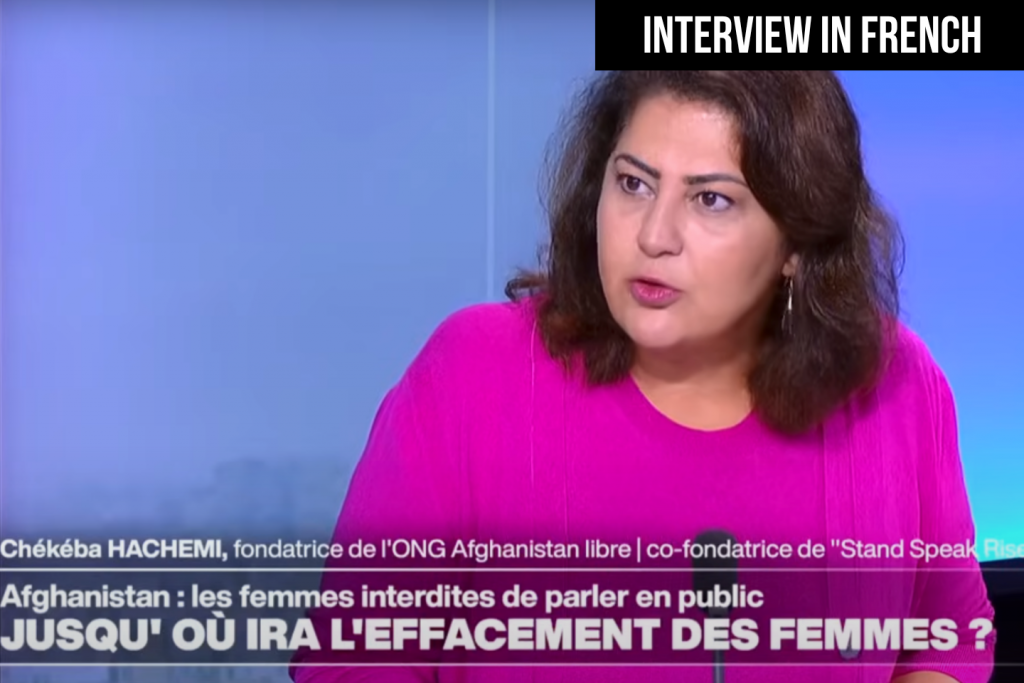
In Afghanistan, women are now prohibited from raising their voices in public. Three years after their return to power, the Taliban continue to gradually erase, “in the name of Islam,” half of their population, while the other half remains silent. How far will they go? What is life like today in Kabul and beyond? Is there a way out of this prison? We discuss these questions with Chékéba Hachemi and Eric Cheysson.
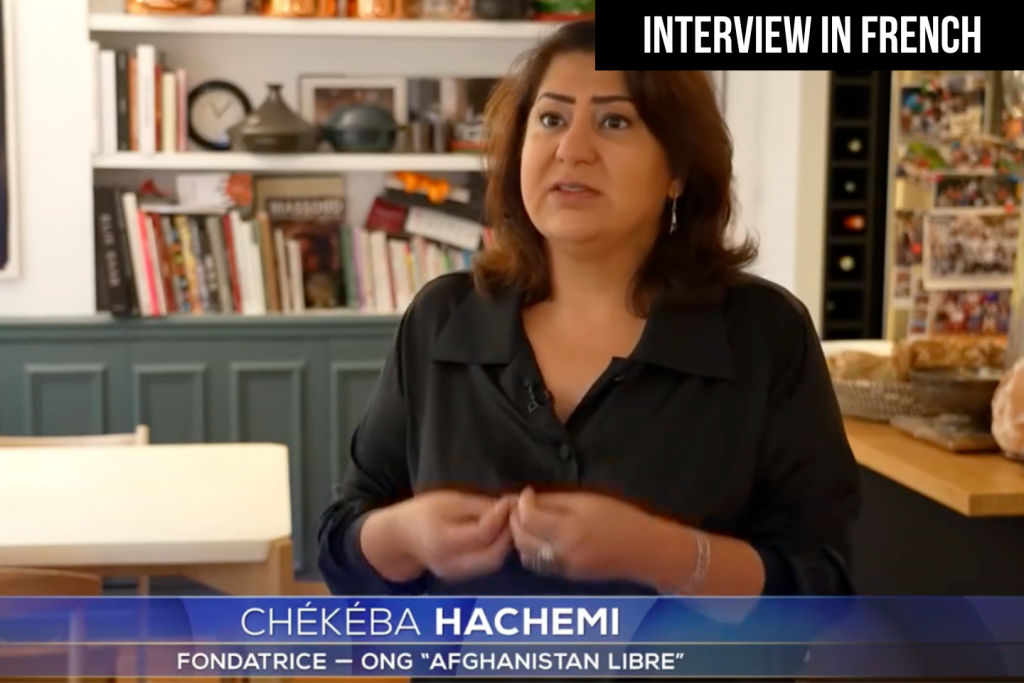
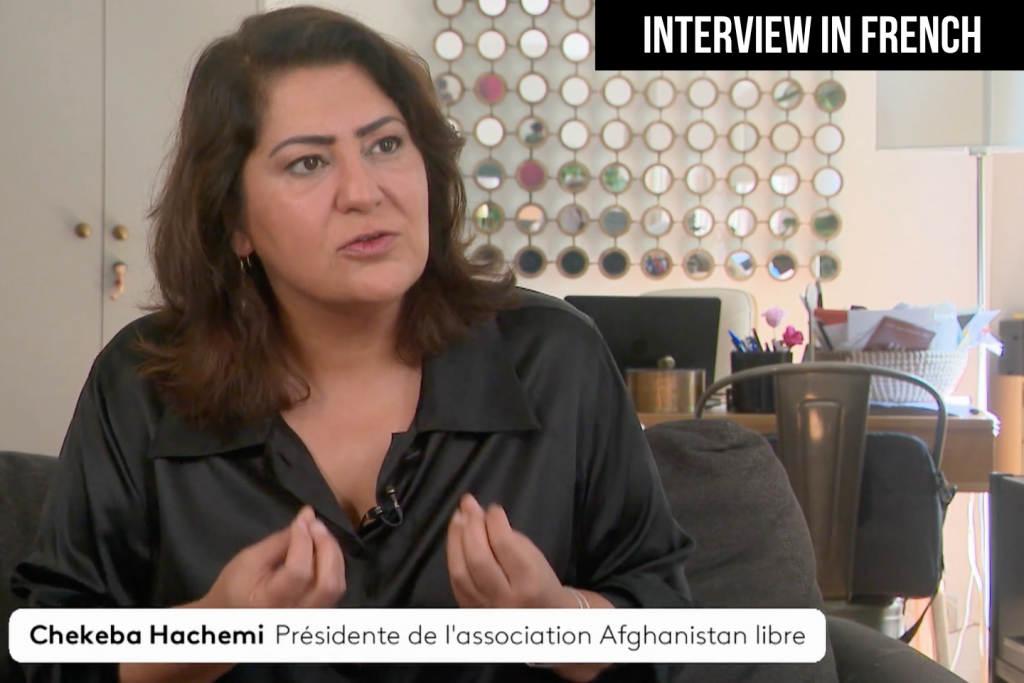
With a new law, the Taliban are further stifling the rights of Afghan women. Chekeba Hachemi, co-founder of Stand Speak Rise Up!, denounced this new Taliban law on France 2, which represents a new setback for the rights of Afghan women. The situation in Afghanistan is dire
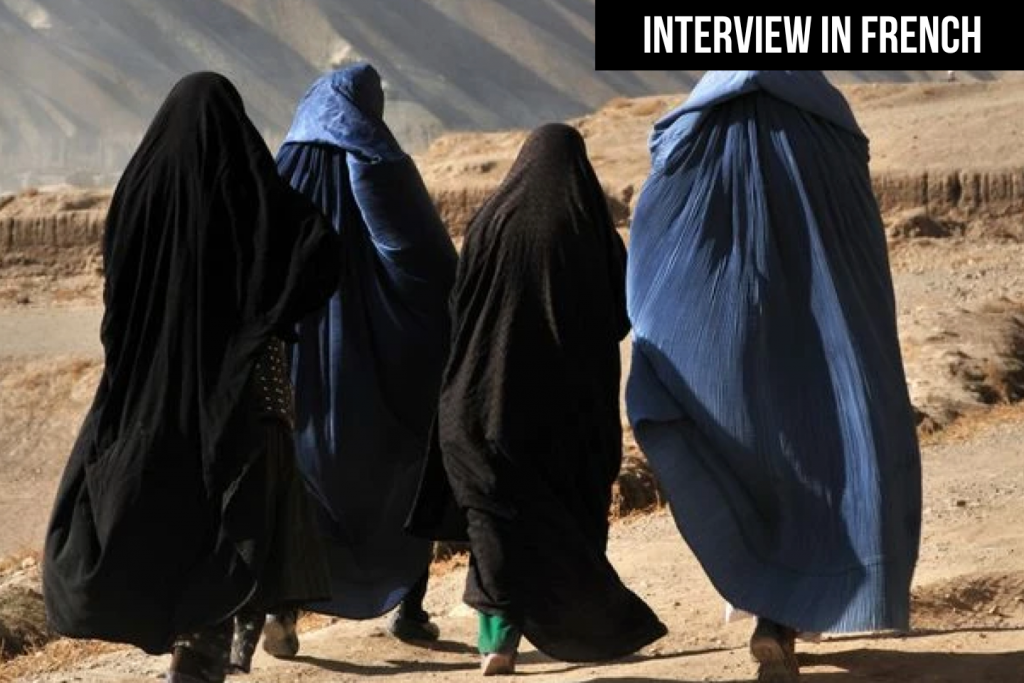
Three years after the Taliban took power, women’s rights in Afghanistan continue to deteriorate. For ELLE, Chékéba Hachemi, president of Afghanistan Libre and co-founder of Stand Speak Rise Up, reacts to the new morality law, which further silences women.
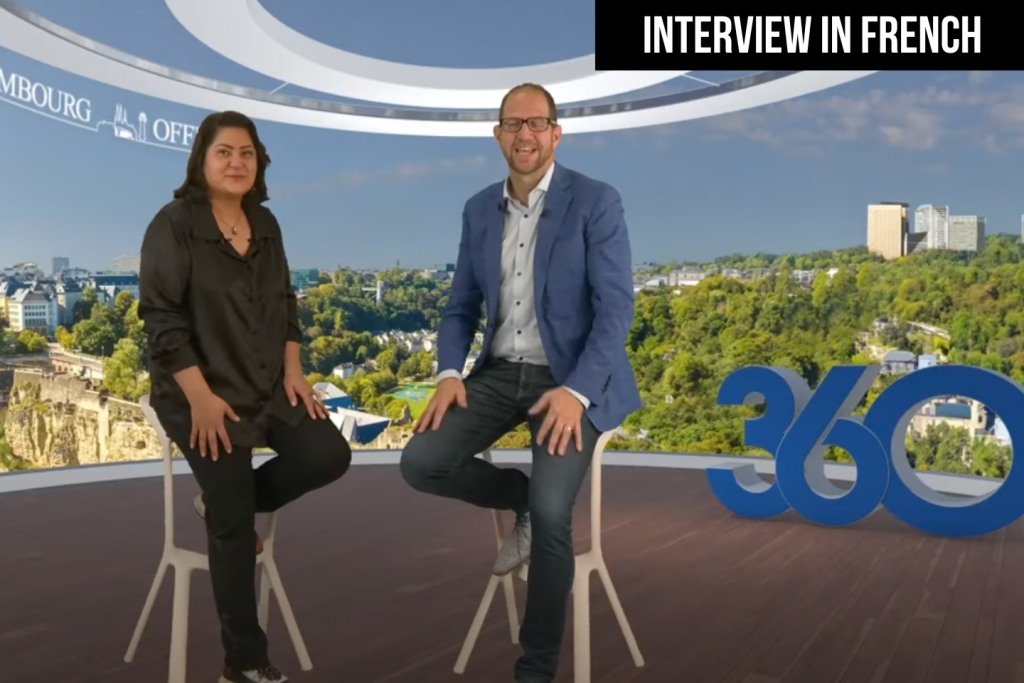
Jerome Bloch highlights the statements of Chékéba Hachemi, co-founder of Stand Speak Rise Up!, on the dire situation of women in Afghanistan.
Stand Speak Rise Up! mobilizes for Afghan women and girls through emergency humanitarian distribution projects and access to maternal and child health care.